Charting Reward Journeys in Mobile Gaming Apps: Incentives That Grow With Player Engagement
Anna Wolf · Jul 26, 2026
Charting Reward Journeys in Mobile Gaming Apps: Incentives That Grow With Player Engagement
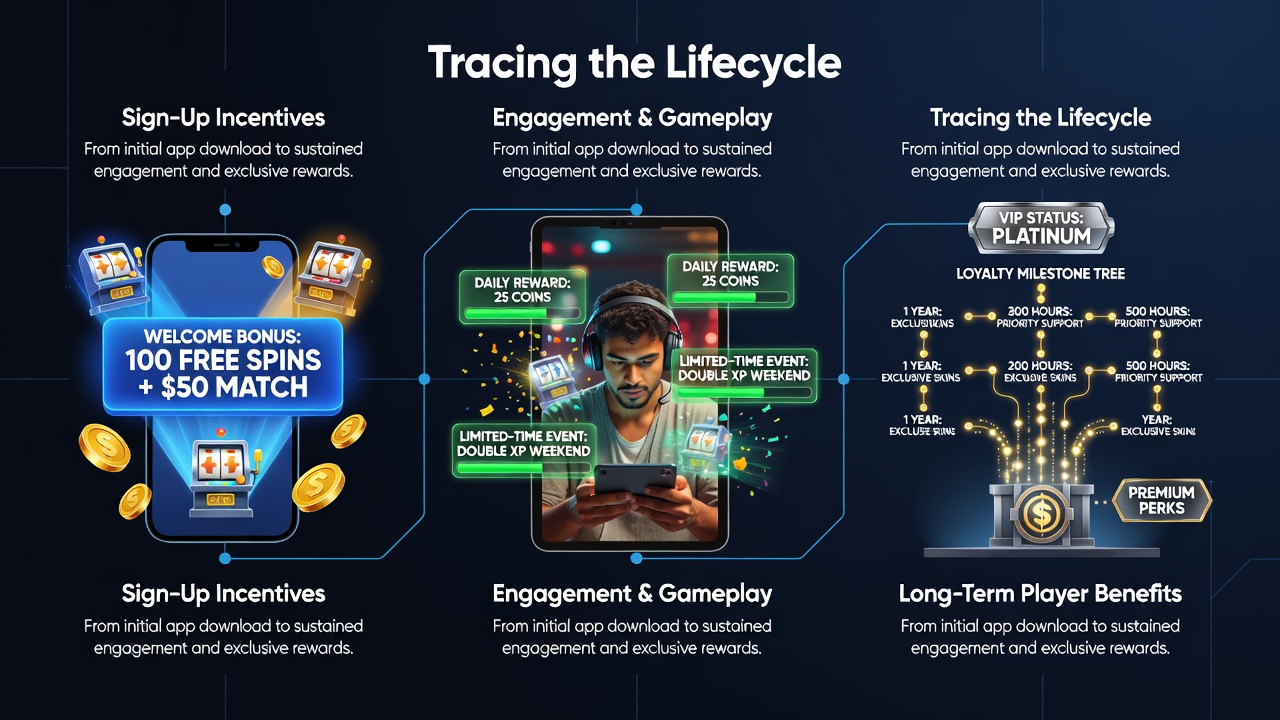
App-based gaming platforms structure promotions as sequences that begin with entry-level offers and extend through repeated validation steps into sustained reward systems, and data from industry trackers shows these cycles operate across thousands of daily user interactions in multiple regions. Sign-up incentives typically include free spins, deposit matches, or small credit bundles that require basic registration details plus initial verification, after which platforms activate the first tier automatically within minutes of account creation.
Initial Activation and Early Validation Stages
Users encounter these entry offers through app store listings or referral links, and once claimed the incentives demand specific actions such as a minimum deposit or gameplay threshold before full unlocking occurs. Observers note that platforms track completion rates closely because early engagement metrics determine whether accounts progress to the next promotional layer or remain at the base level. In July 2026 several major operators reported that over 60 percent of new registrations completed at least one validation step within the first 48 hours, according to aggregated figures shared by the American Gaming Association.
Sequential promo deployments follow a deliberate pattern where the second offer arrives only after the first has been fully redeemed, and this design prevents premature exhaustion of available rewards while encouraging consistent logins. Researchers at various academic institutions have examined how these staggered releases influence retention curves, finding that users who clear the initial hurdle show measurably higher return rates over subsequent weeks.
Progression Through Tiered Systems
After the welcome phase ends, players move into mid-tier incentives that often combine deposit matches with loyalty point multipliers or cashback percentages tied to weekly activity. These offers appear in-app through personalized notifications that reference prior behavior, and the thresholds increase gradually to match growing account balances and play volume. Platforms integrate wagering requirements that scale with each new promotion, creating a roadmap where users must accumulate a set number of points or complete defined bet totals before unlocking the next stage.
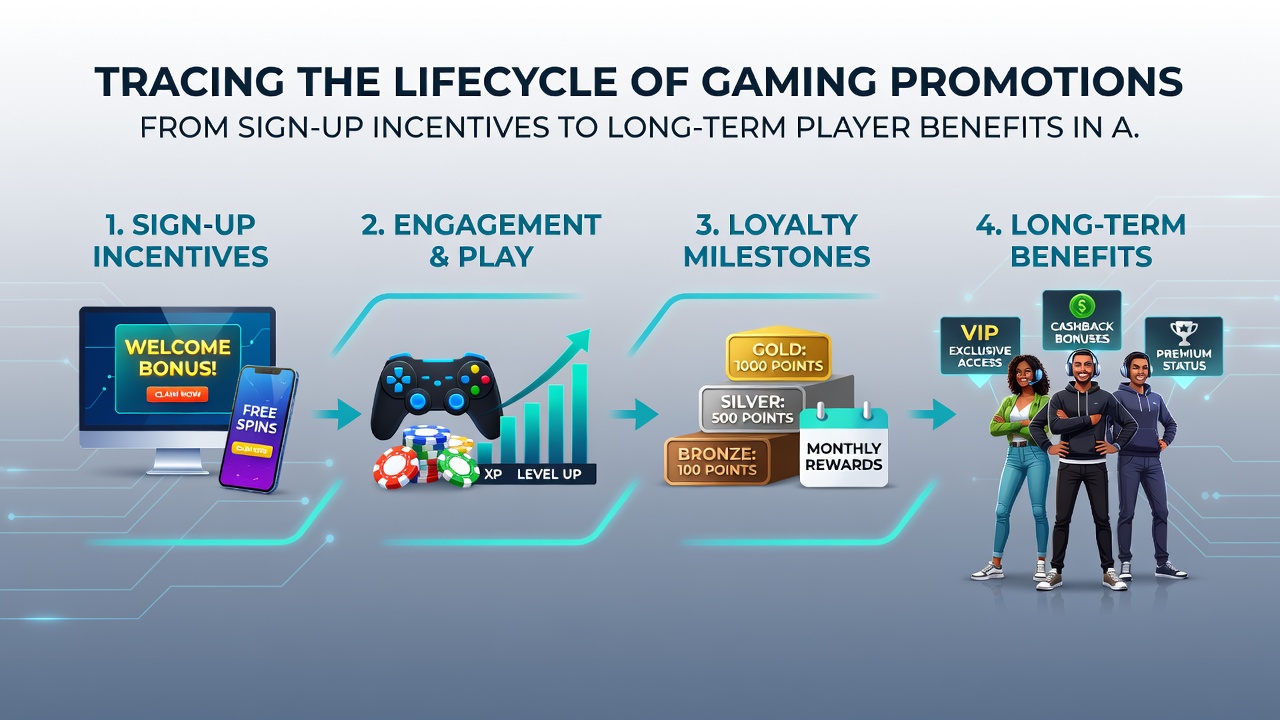
Long-term player benefits emerge once accounts reach established loyalty tiers, at which point platforms unlock exclusive events, higher cashback rates, and dedicated account managers for top segments. Data indicates that VIP programs in app ecosystems frequently deliver annual rewards exceeding initial sign-up values by factors of ten or more, yet access remains gated behind cumulative spend and time-on-platform metrics. One study from Canadian academic sources tracked users across eighteen months and documented steady migration from entry offers into loyalty accumulations when platforms maintained transparent point-tracking dashboards.
App-Specific Mechanics and Regional Patterns
Mobile-first design influences how these lifecycles unfold because push notifications and in-app wallets accelerate both claim and redemption processes compared with desktop versions. Platforms in different jurisdictions adapt the same core sequence to local rules, with some requiring additional responsible-gaming checks before higher-tier offers activate. External analysis from the European Gaming and Betting Association highlights that app-based systems achieve faster cycle completion rates than web-only counterparts because session data feeds directly into real-time reward adjustments.
Sequential validation steps also incorporate anti-fraud measures such as device fingerprinting and deposit source verification, and these safeguards appear at multiple points along the journey rather than only at sign-up. Users who navigate the full progression often discover that later benefits include personalized game recommendations and event invitations that further reinforce continued engagement.
Conclusion
The lifecycle of gaming promotions in app-based platforms forms a continuous chain that begins with simple registration incentives and matures into layered loyalty structures, and industry reports confirm that operators refine these pathways based on aggregated performance data across global user bases. Clear documentation of each stage allows players to anticipate requirements while platforms maintain control over reward distribution through measurable thresholds and validation checkpoints.