21 Jun 2026
Charting Sequential Reward Frameworks Across Digital Play Environments
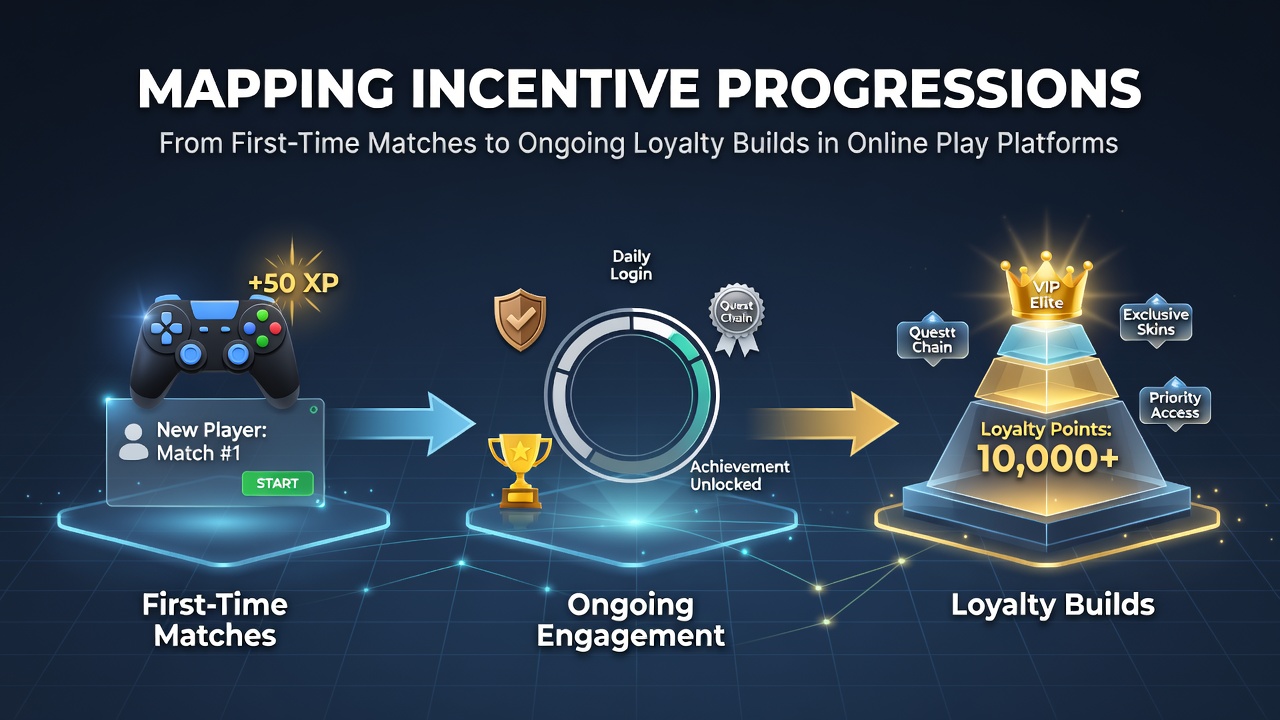
Online play platforms structure incentive systems as layered progressions that begin with first-time deposit matches and extend into multi-tier loyalty programs designed to sustain player activity over extended periods. These frameworks rely on defined thresholds for wagering, deposit frequency, and engagement metrics that convert initial offers into cumulative reward pathways. Data from industry reports indicate that platforms track player behavior through automated systems which adjust bonus eligibility based on verified activity patterns rather than static promotions.
Entry-level matches typically require an initial deposit within a specified timeframe, after which platforms credit matching funds or spins that carry wagering requirements ranging from 20x to 50x the combined deposit and bonus amount. Observers note that these early stages establish baseline data points including average session length and game preference categories which inform subsequent reward calibration. Research from academic sources shows that players who complete initial wagering obligations within seven days demonstrate higher retention rates into the second month of activity compared to those who delay validation.
Transition Mechanisms from Welcome Stages to Mid-Tier Incentives
Once players satisfy entry conditions, platforms activate automated progression triggers that unlock mid-level rewards such as cashback percentages, reload matches, and personalized game-specific promotions. These transitions depend on cumulative deposit totals and activity streaks tracked across consecutive weeks. Figures from the American Gaming Association reveal that platforms operating in regulated markets recorded average progression completion times of 18 days for players moving from welcome matches to the first loyalty tier during early 2026 periods.
Sequential validation steps require players to maintain consistent login patterns while meeting escalating minimum wager volumes. Systems log these metrics in real time, applying modifiers that increase reward percentages for players demonstrating steady volume growth. Case examples from multiple platforms demonstrate that incorporating both deposit and non-deposit activities like tournament participation accelerates advancement into higher tiers by approximately 30 percent compared to deposit-only pathways.
Long-Term Loyalty Accumulation Structures
Advanced loyalty builds operate through point-based accumulation models where every wagered unit contributes to tier status that persists across calendar quarters. Platforms segment these structures into four or five distinct levels, each granting escalating benefits including priority support access, exclusive event invitations, and reduced wagering multipliers on future bonuses. Data compiled through 2026 indicates that players reaching the uppermost tier maintain activity levels 2.4 times higher than entry-stage participants across six-month observation windows.
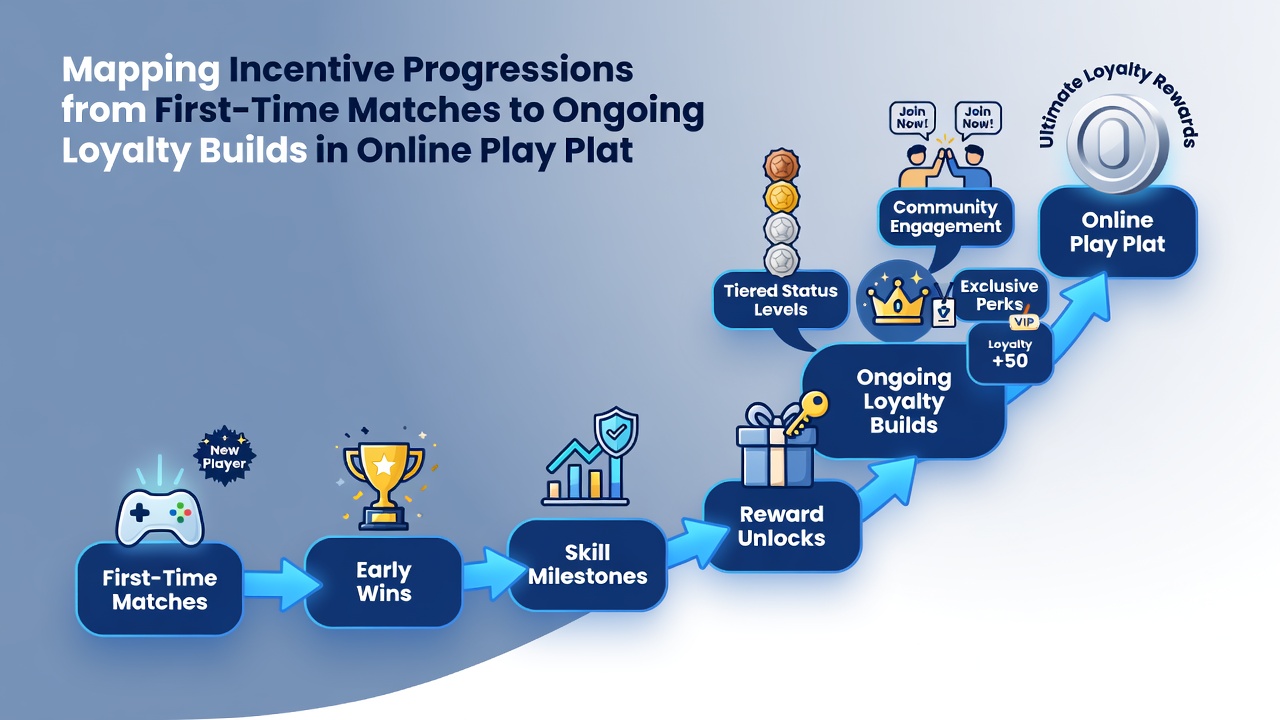
June 2026 regulatory updates in several jurisdictions required platforms to publish clear mapping documentation detailing how initial matches connect to ongoing programs, including explicit disclosure of point expiration policies and tier maintenance requirements. These disclosures aim to standardize transparency around progression criteria without altering core operational mechanics. Canadian provincial gaming authorities implemented similar reporting standards earlier in the year, resulting in measurable increases in player awareness of reward pathways according to follow-up compliance reviews.
Cross-platform integration features allow certain operators to synchronize loyalty data across multiple sites under shared corporate structures, enabling players to carry accumulated status when switching environments. This connectivity relies on unique identifier systems that preserve historical progression records while resetting only specific promotional balances tied to individual site rules. Industry organizations tracking these developments report that synchronized programs show 15 percent higher long-term retention metrics than isolated platform models.
Measurement and Adjustment Protocols
Platforms employ analytics dashboards that monitor progression velocity across player cohorts segmented by acquisition channel and geographic region. Adjustments to incentive mapping occur quarterly based on aggregate performance indicators such as average time to tier advancement and churn rates at each level. Those who study retention cycles note that shortening the gap between mid-tier rewards and top-level benefits correlates with reduced drop-off during the third and fourth months of player tenure.
Validation sequences incorporate both automated checks and occasional manual reviews for high-volume accounts to confirm compliance with responsible gaming thresholds. External audits conducted by independent research institutions confirm that mapped progressions maintain consistent mathematical structures across different game verticals while allowing customization for regional preferences in bonus presentation formats.
Conclusion
Mapping exercises in online play platforms establish clear connections between first-time deposit matches and sustained loyalty mechanisms through defined thresholds, automated tracking, and periodic recalibration based on performance data. Regulatory developments through mid-2026 have emphasized documentation standards that make these pathways more visible to participants. Continued monitoring by industry groups and academic researchers provides ongoing insight into how these sequential structures influence long-term engagement patterns across digital environments.