4 Jun 2026
Decoding Reward Pathways: How Sequential Promo Deployments Bridge Entry Spins and Sustained Loyalty Accumulations in Digital Platforms
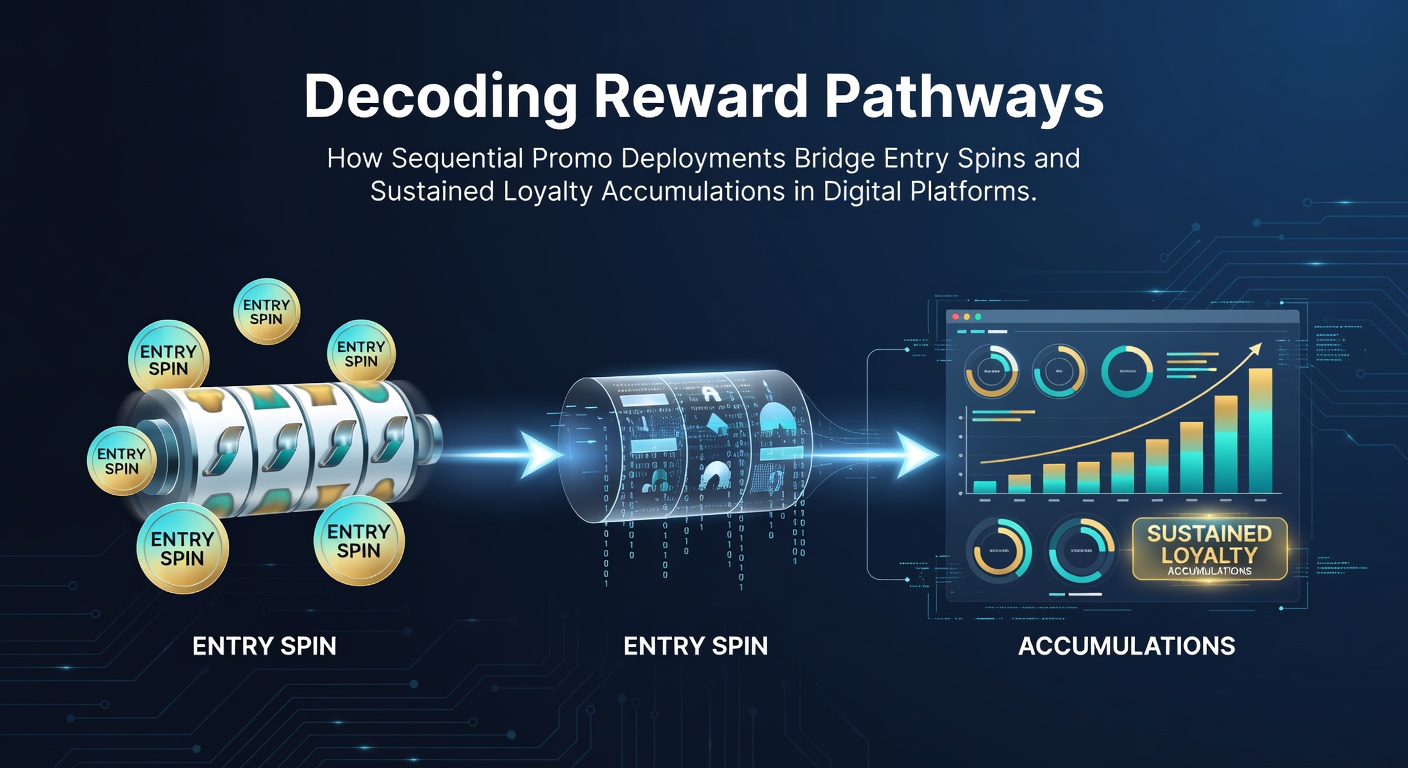
Digital platforms deploy sequential promo structures that connect initial user interactions with ongoing reward systems, and these pathways rely on carefully timed deployments of entry-level incentives followed by progressive accumulation mechanics. Entry spins function as the first step in many systems, where new users receive limited free activations that introduce core platform features without requiring upfront commitments.
Researchers have tracked how these starting points feed into broader loyalty frameworks, with data from industry reports indicating that users who complete entry-level actions show higher rates of continued engagement over subsequent months. Sequential deployments build on this foundation through layered requirements such as minimum activity thresholds that unlock additional reward tiers, and the process creates measurable bridges between short-term actions and extended participation cycles.
Mechanics of Sequential Promo Structures
Platforms organize promotions into stages that activate based on user behavior patterns, starting with one-time entry offers and advancing to recurring validation steps that accumulate loyalty points or credits. Observers note that this staged approach allows systems to adjust reward frequency according to engagement metrics collected during the initial phases, while users who progress through multiple stages encounter increasing value in the form of multiplier effects or exclusive access options.
Studies from academic institutions have examined retention data across mobile and desktop ecosystems, revealing that sequential triggers maintain momentum when each deployment references prior activity rather than operating in isolation. For instance, an entry spin completion often feeds directly into a follow-up promo that requires a small deposit or continued play, and this linkage reduces drop-off rates between the first and second weeks of platform use.
Bridging Entry Actions to Loyalty Accumulation
The transition from entry spins to sustained loyalty programs occurs through validation sequences that require users to meet progressive benchmarks, such as completing a set number of sessions or achieving specific interaction volumes within defined windows. Data collected by platform analytics teams shows that these benchmarks, when deployed in sequence, correlate with higher lifetime value metrics because they encourage habitual returns while gradually introducing loyalty-specific features like point multipliers or tiered status levels.
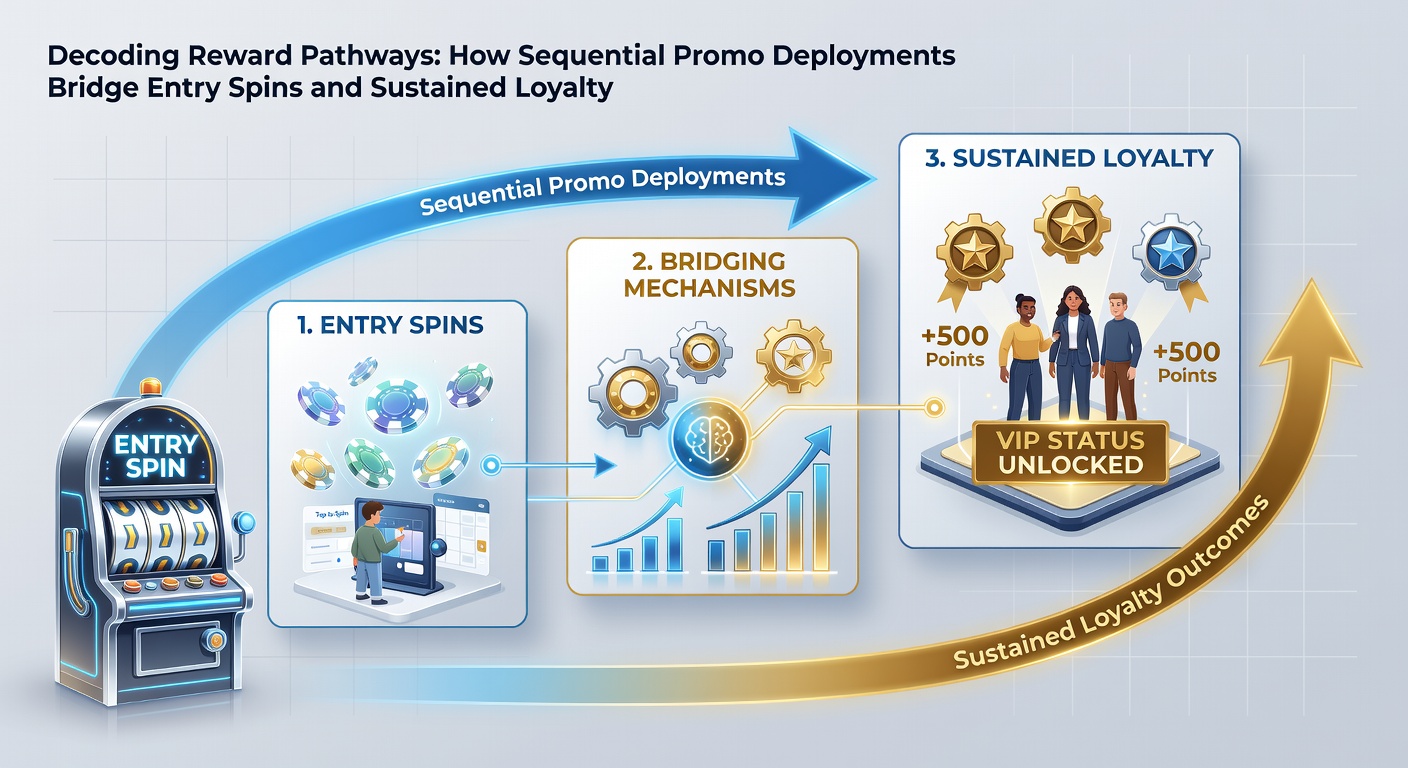
June 2026 figures from regulatory filings in multiple jurisdictions highlight continued growth in digital platform participation, with sequential promo models appearing in updated compliance documentation as standard tools for managing user progression. Those who've analyzed these reports note that loyalty accumulation phases typically begin after the third or fourth sequential deployment, at which point users gain access to personalized reward schedules based on their accumulated history.
Role of Data Tracking in Pathway Effectiveness
Tracking systems monitor each stage of the promo sequence to identify optimal timing for next deployments, and this information feeds into algorithms that personalize subsequent offers according to individual patterns. Evidence from industry analyses indicates that platforms using real-time behavioral data achieve stronger connections between entry actions and long-term loyalty because adjustments can occur mid-sequence rather than following fixed calendars.
Take one case documented in a University of Nevada research paper where sequential deployments that referenced prior spin outcomes produced measurable increases in loyalty point accrual rates compared to non-referential models. The study examined thousands of user journeys and found that the bridge between initial and sustained phases strengthened when each new promo incorporated elements from completed steps, creating continuity that supported ongoing accumulation.
Regional Variations in Deployment Approaches
Approaches differ across regions, with North American platforms often emphasizing deposit-linked sequences while European and Asia-Pacific systems incorporate more free-to-play entry points before shifting toward loyalty tiers. Reports from the Australian Interactive Games Association detail how local regulations shape the length of validation windows between sequential stages, ensuring compliance while still supporting accumulation pathways that span multiple months.
Canadian provincial oversight bodies have similarly released guidance on transparency requirements for promo sequencing, and these documents emphasize clear communication of how entry spins contribute to later loyalty benefits. Such frameworks help maintain user understanding of the full pathway without disrupting the flow from initial engagement to sustained participation.
Conclusion
Sequential promo deployments serve as structured connectors in digital reward systems by linking entry spins directly to the mechanisms that drive loyalty accumulation over extended periods. Platform operators continue to refine these pathways using behavioral data and regional compliance standards, resulting in models that support progression from first interactions through ongoing reward cycles. Research across academic and industry sources confirms that effective sequencing relies on continuity between stages, with each deployment building upon completed actions to sustain user movement toward higher loyalty tiers.