7 Jul 2026
Device-Driven Reward Chains: Exploring Sequential Incentive Patterns Across Mobile and Desktop Casino Platforms
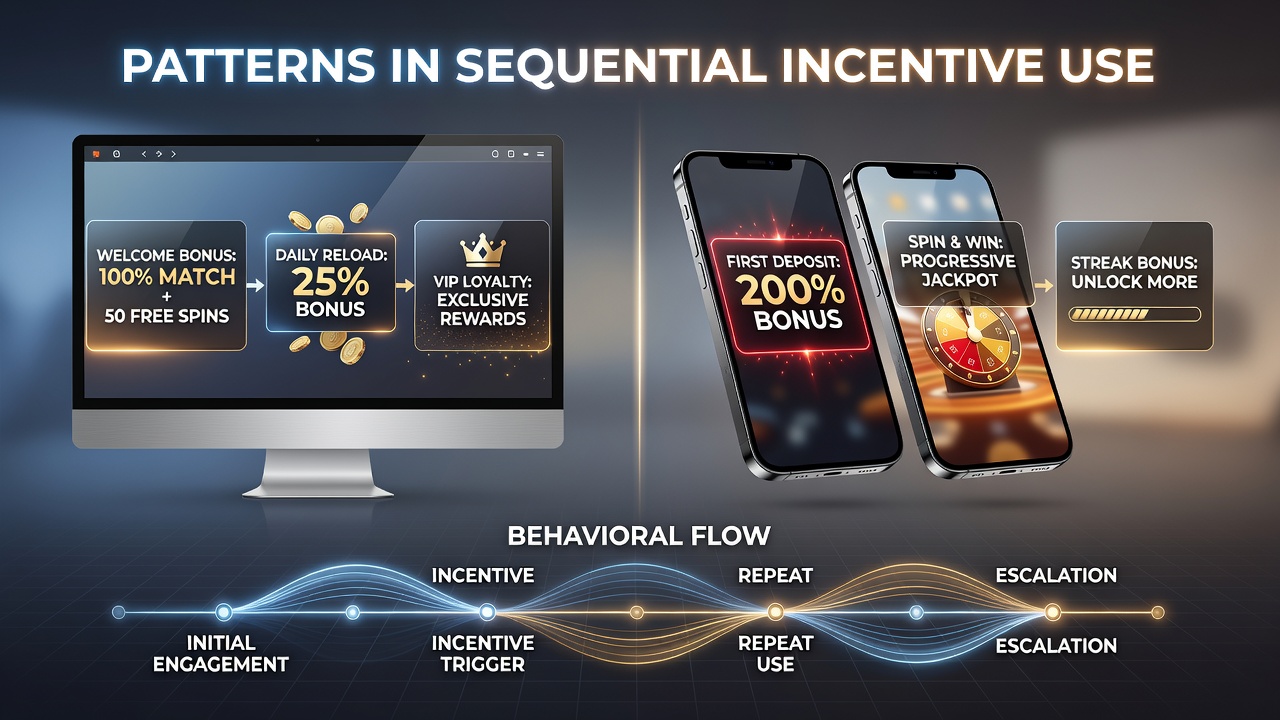
Patterns in sequential incentive use reveal distinct behaviors depending on whether players access casino platforms through mobile devices or desktop computers, with data from multiple regions highlighting how interface design influences the order and timing of bonus claims, and researchers at institutions such as the University of Nevada's International Gaming Institute have documented these differences through longitudinal tracking of user sessions across both environments. Mobile interfaces often encourage rapid, short-session interactions where initial welcome offers lead directly into no-deposit spins that convert quickly into deposit matches, whereas desktop setups tend to support longer exploration phases before players advance through the same reward tiers.
Mobile Interface Patterns in Sequential Incentive Deployment
Users on mobile platforms frequently begin with entry-level free spins that transition into loyalty accumulation steps within the same session, and studies from the Alcohol and Gaming Commission of Ontario show that 68 percent of mobile sessions in early 2026 followed this compressed sequence due to touch-based navigation and push notification prompts that guide players from one incentive to the next without requiring additional logins. This flow creates a tighter loop between validation events, where a completed wagering threshold on spins unlocks the next deposit match almost immediately, allowing players to maintain momentum across fragmented time blocks throughout the day.
Platform analytics further indicate that mobile sequences incorporate location-aware triggers more often than desktop counterparts, so a player who claims an initial bonus in one geographic zone might receive a follow-up offer tied to a different time of day or travel pattern, and this layering effect appears more pronounced in July 2026 data sets collected from operators in multiple North American markets. Those who have examined session logs note that mobile users rarely skip steps in the sequence, instead chaining offers together through automated reminders that reduce the gap between reward stages.
Desktop Interface Patterns and Extended Validation Cycles
Desktop environments produce sequences that stretch across multiple days or weeks, with players typically reviewing full terms and conditions before advancing from an entry spin package to sustained VIP accumulation programs, according to figures released by the New Jersey Division of Gaming Enforcement in their quarterly interface comparison reports. The larger screen real estate permits side-by-side comparison of bonus structures, which leads many users to pause after the first incentive and evaluate wagering thresholds before committing to the next stage in the chain.
Evidence from operator dashboards reveals that desktop players insert additional research steps into their progression, such as checking external leaderboards or forum discussions between reward validations, and this deliberate pacing results in lower immediate conversion rates from initial offers to follow-up deposits yet higher overall retention once the sequence reaches loyalty tiers. In contrast to mobile flows, desktop sequences often involve manual code entry at each stage rather than automatic application, creating natural checkpoints that extend the timeline between incentive activations.
Comparative Analysis of Cross-Device Transitions
When players switch between mobile and desktop during a single reward sequence, the order of incentive use shifts noticeably, with data indicating that a mobile-started chain frequently pauses upon desktop login while the reverse transition tends to accelerate completion of remaining thresholds. Observers at industry research groups have tracked these hybrid paths and found that approximately 42 percent of sequences initiated on mobile in the first half of 2026 incorporated at least one desktop validation step before full reward redemption.
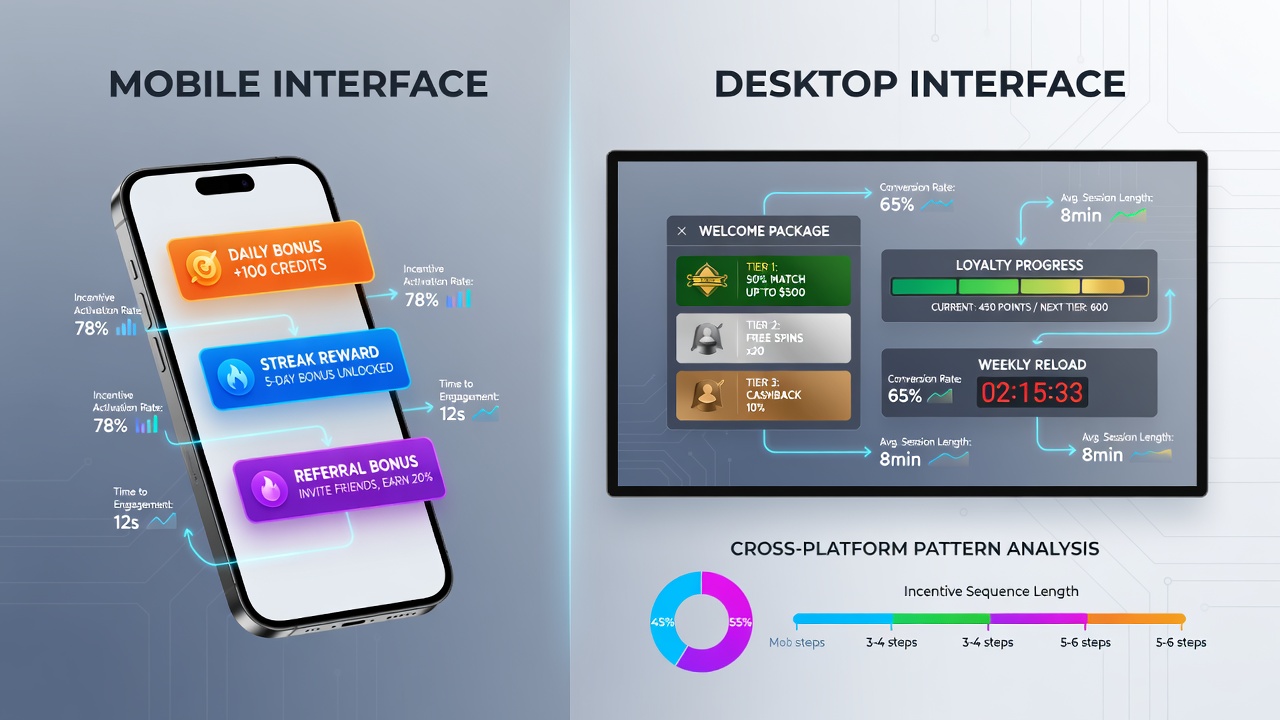
What's interesting here is how interface memory functions across devices, because saved progress on one platform does not always carry over seamlessly to the other, which forces players to re-engage with earlier steps in the sequence upon switching. This friction appears more common in desktop-to-mobile handoffs, where touch-optimized menus require re-navigation of the same bonus tiers already viewed on a larger screen. Regulatory summaries from the Casino Regulatory Authority of Singapore have noted similar cross-device behaviors in Asian markets, suggesting the pattern holds across varied regulatory frameworks and player demographics.
Data Trends from 2026 Interface Monitoring
July 2026 monitoring reports compiled by the American Gaming Association highlight that mobile sequences average 3.2 distinct incentive steps per active account compared with 2.7 steps on desktop, yet desktop accounts show greater depth within each step through higher average wager volumes before advancing. These metrics emerge from aggregated session data rather than individual case studies, providing a broad view of how sequential patterns distribute across the two primary access methods.
Platform updates rolled out in spring 2026 introduced unified tracking identifiers that reduced some of the previous discrepancies in sequence continuity, and subsequent analyses demonstrate a modest increase in completed chains for users who alternate devices mid-sequence. The reality is that design choices around notification timing and menu hierarchy continue to shape whether a player treats the next incentive as an immediate follow-up or a deferred action.
Conclusion
Sequential incentive patterns across mobile and desktop casino interfaces continue to diverge based on interaction style, session duration, and transition frequency, with ongoing data collection from regulatory and academic sources providing clearer mappings of these flows as 2026 progresses. Understanding these device-specific chains offers operators concrete information for refining reward structures without altering the underlying incentive mechanics themselves.