23 Jun 2026
Echoes of Entry Offers: Tracing How Deposit Matches and No-Deposit Spins Feed into Tiered VIP Structures Through Code Sequencing
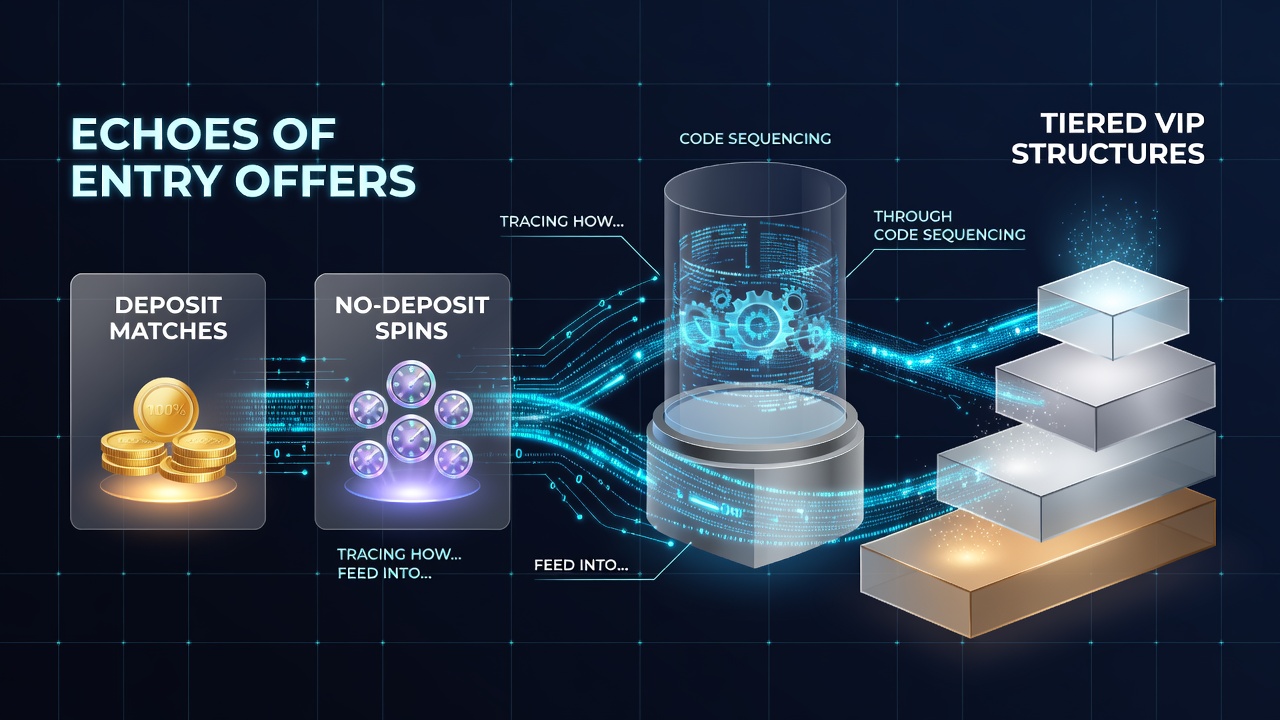
Entry offers in digital gaming platforms often begin with sequenced promo codes that unlock no-deposit spins and deposit matches, and these mechanisms create pathways into tiered VIP structures. Data from industry tracking shows players who activate initial codes accumulate activity metrics that feed directly into loyalty systems, where points convert to higher status levels over repeated play cycles.
Mechanics of Initial Code Deployment
Platforms issue distinct codes for no-deposit spins that require minimal verification steps, and these spins generate early engagement data that registers in player accounts. Deposit match offers follow through separate codes that multiply initial funds, while both types of rewards log activity toward tier thresholds without manual intervention. According to reports from the Alcohol and Gaming Commission of Ontario, sequential code use in regulated markets has increased player retention metrics by measurable percentages in recent tracking periods.
Code sequencing works through automated validation layers that check eligibility before each reward stage activates, and this process prevents overlap while building a cumulative profile. Players enter codes in specific orders to unlock layered benefits, with the system recording every spin outcome and deposit amount as data points that influence future tier eligibility.
Transition Points from Entry Rewards to VIP Accumulation
Once players complete wagering on no-deposit spins, remaining balances convert into loyalty points that carry forward into deposit match phases, and this handoff creates continuity between early offers and sustained programs. Deposit matches add larger point contributions because of higher transaction values, which accelerates movement through basic tiers into mid-level status where additional perks unlock automatically. Research from the American Gaming Association indicates that platforms using integrated code systems report higher average session lengths during these transition windows.
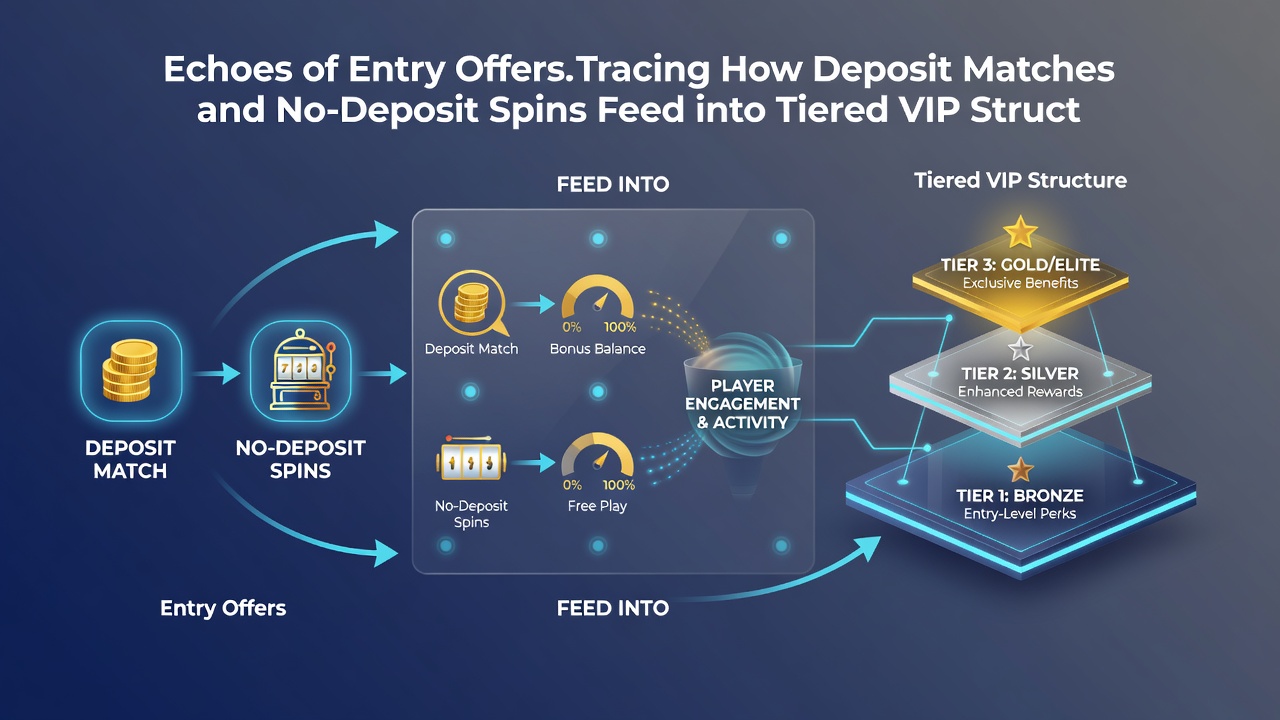
Observers note that platforms adjust point multipliers during June 2026 promotional windows to encourage continued code activation after initial entry offers expire, and these adjustments align with seasonal player patterns documented across multiple jurisdictions. The transition becomes visible when players receive tier upgrade notifications tied directly to completed code sequences rather than standalone achievements.
Role of Tiered Structures in Long-Term Sequencing
VIP tiers operate on progressive thresholds that reward consistent code usage across months, with each level granting access to exclusive match percentages and spin volumes that exceed entry-level offers. Systems track code redemption history to determine eligibility for higher tiers, and this creates a feedback loop where early no-deposit activity influences later deposit match availability. Figures from regulatory filings in Macau reveal similar patterns in loyalty program design, where sequenced rewards correlate with increased player lifetime value calculations.
Platforms maintain separate code pools for each tier, and players advance by meeting combined wagering and deposit criteria established through prior sequences. This structure ensures that no-deposit spins serve as entry validation while deposit matches build the volume needed for tier progression, with all steps logged through centralized player management software.
Conclusion
Code sequencing links entry offers to VIP structures by converting initial spins and matches into measurable activity that determines tier placement, and platforms continue refining these connections through updated validation rules. Data across multiple regions confirms that structured progression remains central to how digital gaming environments manage player advancement from first interaction to sustained loyalty participation.