30 Jun 2026
From Threshold to Pinnacle: Mapping Wagering Benchmarks That Propel Players Into Exclusive Reward Circles
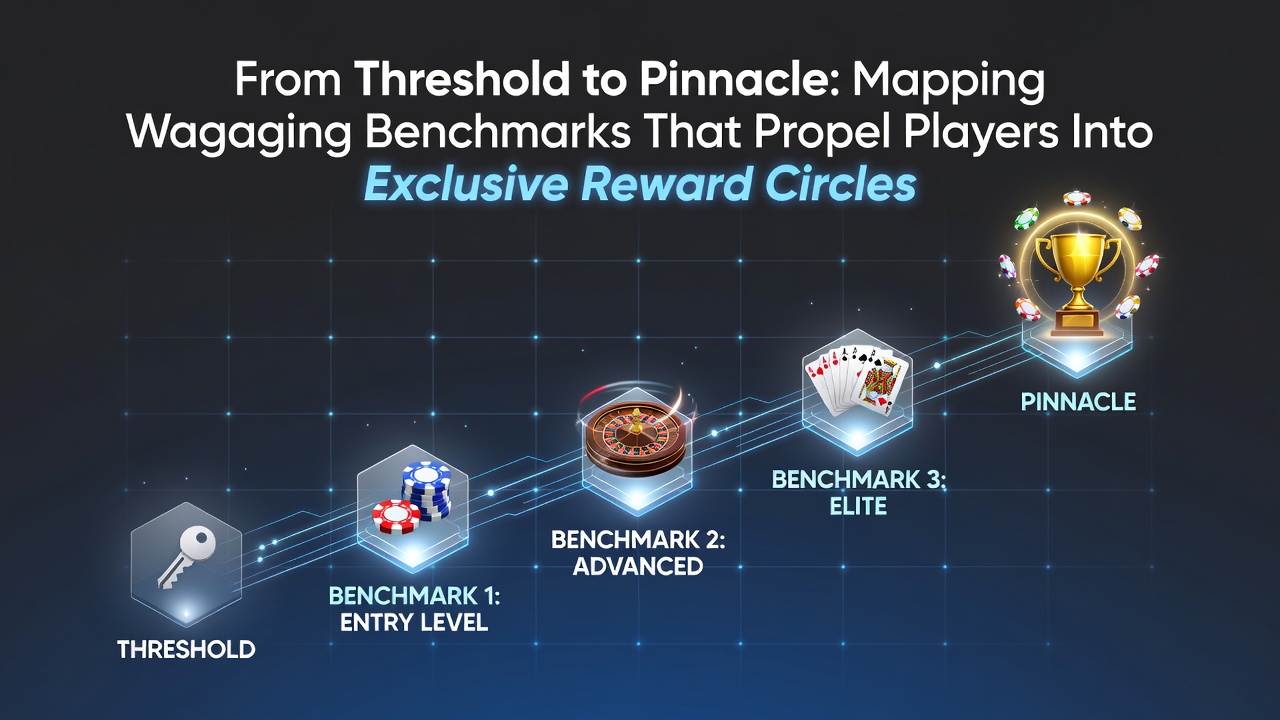
Players advance through casino loyalty structures when their cumulative wagering activity meets defined benchmarks that unlock higher reward tiers and associated benefits, and these systems operate across land-based and digital platforms where operators track play volume through point accumulation mechanisms that convert into tier credits.
Entry-level thresholds typically require modest wagering amounts that establish baseline membership, while mid-tier advancement demands sustained activity over multiple sessions and operators set these levels based on revenue projections and player retention data that industry reports continue to track into mid-2026.
Entry Thresholds and Initial Benchmark Structures
Basic reward access begins once players complete initial wagering requirements that range from several hundred dollars in total bets up to low thousands depending on the venue and operators publish these figures in program documentation that outlines how points accrue at fixed rates per dollar wagered on slots versus table games.
Observers note that many programs award one point for every dollar bet on electronic gaming machines while table game play often generates points at adjusted ratios that account for house edge differences and this structure encourages broader game participation before players reach the first meaningful tier elevation.
Progression Benchmarks Across Multiple Tiers
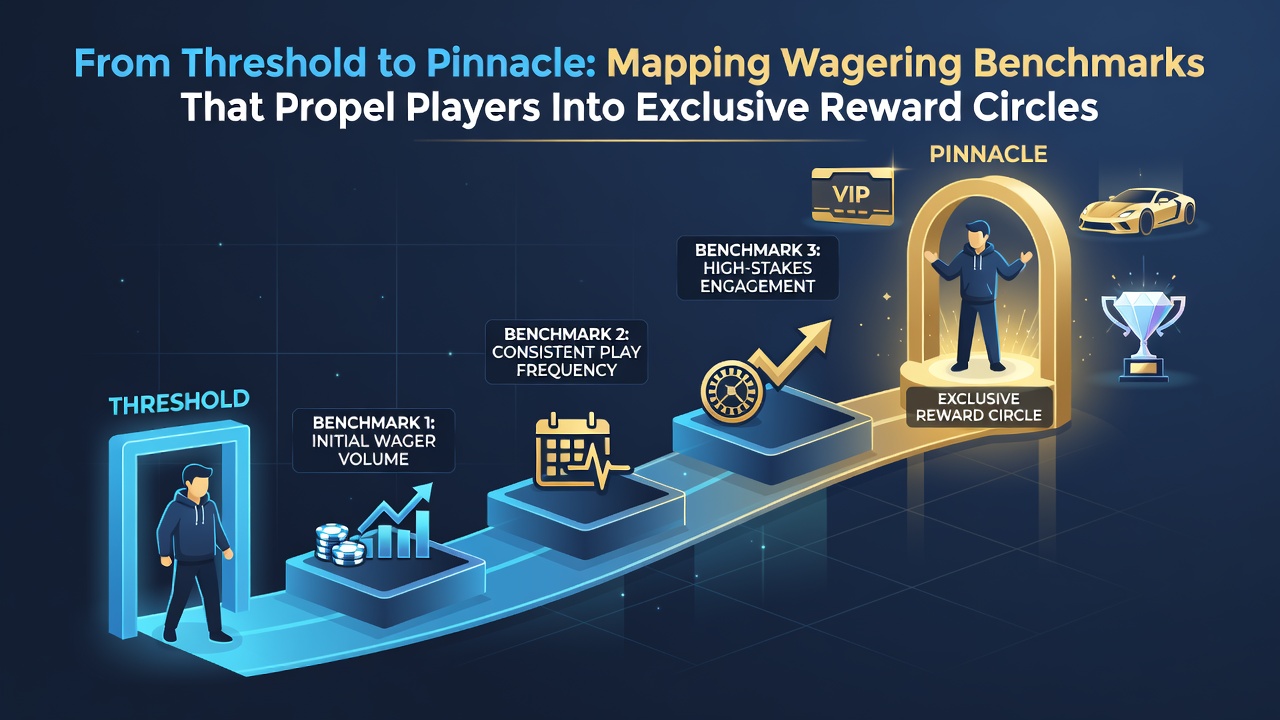
Mid-level advancement usually activates after players accumulate between 5,000 and 25,000 points within a qualification period that resets annually or quarterly and data from various jurisdictions shows these benchmarks correlate with increased average session lengths as participants pursue the next reward bracket.
Exclusive upper circles demand substantially higher volumes where annual play must exceed 100,000 points in many cases and operators differentiate these pinnacles through personalized host services along with accelerated point multipliers that further reduce the effective wagering needed for subsequent achievements.
Regional Variations in Benchmark Application
North American operators frequently align tier structures with fiscal reporting cycles that conclude in June and this timing allows programs to announce updated qualification criteria based on the prior year's performance metrics collected from regulated markets.
European and Asian venues apply comparable systems yet adjust point conversion rates to reflect local regulatory frameworks while maintaining consistent progression logic that rewards consistent volume over isolated high-stakes sessions and regulatory filings from multiple authorities document these adaptations without revealing proprietary algorithms.
Point Conversion and Reward Validation Mechanisms
Conversion rates determine how quickly players approach each benchmark and most programs calculate one tier credit from every ten to twenty base points earned which stretches the effective wagering distance to higher circles while simultaneously offering bonus point promotions during designated periods that accelerate progress for active participants.
Validation occurs through automated tracking systems that update player accounts in real time and those who reach new thresholds receive automatic notifications along with access codes for exclusive events or increased withdrawal limits that operators tie directly to verified tier status.
Strategic Accumulation Patterns Observed in 2026
Players who concentrate play on high-point games during promotional windows often reach pinnacles faster than those spreading activity evenly and industry analyses released in early June 2026 highlight how sequenced game selection combined with consistent session frequency produces measurable tier elevation across large sample groups.
Multi-property operators extend these benchmarks across affiliated venues so cumulative activity counts toward unified qualification and this integration reduces the total wagering required for individuals who distribute play among several locations within the same network.
Conclusion
Wagering benchmarks function as structured gateways that translate raw play volume into tiered access and the mapping of these thresholds reveals consistent patterns across operators where initial modest requirements give way to progressively demanding criteria that culminate in exclusive reward circles for sustained participants.
Regulatory disclosures and association reports continue to provide aggregate data on tier distribution and qualification rates which demonstrate that structured progression systems remain central to player engagement strategies in both established and emerging markets through 2026.