26 May 2026
Inside the Framework of Tiered Incentives: Exploring Connections Between Entry Offers and Long-Term Player Programs
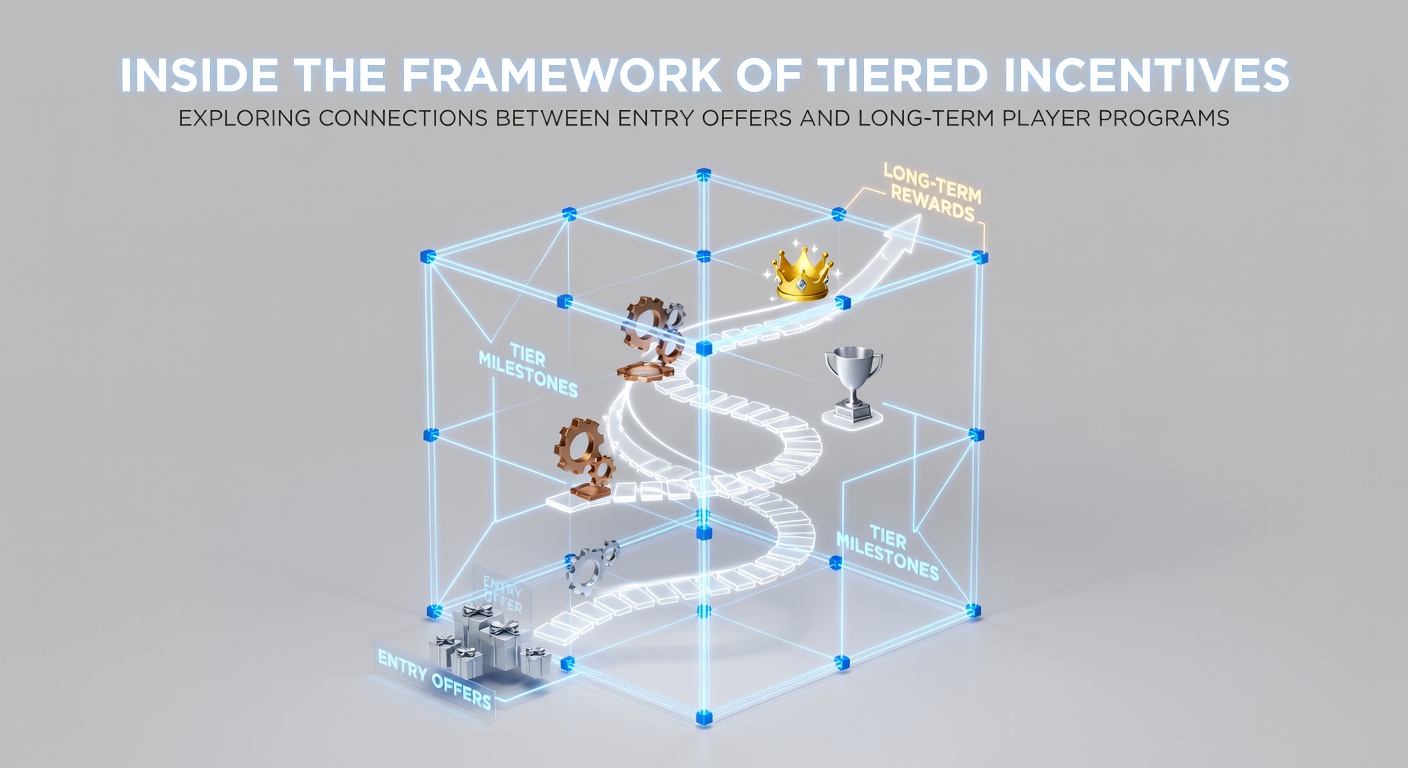
Entry offers in online casino environments serve as initial access points that guide players toward structured reward systems; these systems operate through progressive tiers that reward sustained activity over extended periods. Data from industry reports indicate that welcome bonuses and deposit matches function as gateways, while loyalty programs track metrics such as wagering volume and session frequency to determine tier advancement. Observers note that operators design these frameworks to maintain continuity between short-term promotions and ongoing player retention strategies.
Mechanics of Entry-Level Incentives
Casino platforms structure entry offers around specific conditions including minimum deposit amounts, game eligibility, and wagering requirements that must be completed before any withdrawal eligibility applies. These parameters establish baseline engagement levels, according to analyses from the American Gaming Association, which tracks how initial incentives correlate with subsequent deposit patterns across regulated markets. Platforms often limit teh number of claims per account or tie eligibility to verified payment methods, creating measurable entry points into broader systems.
Architecture of Long-Term Player Programs
Long-term programs rely on tiered structures that categorize participants according to accumulated points earned through bets placed across slots, table games, and live dealer options. Advancement through bronze, silver, gold, and platinum levels unlocks incremental benefits such as cashback percentages, exclusive event access, and personalized account management. Research from the Australian Gambling Research Centre shows that these tiers operate on algorithms that reset or carry forward points based on monthly or quarterly cycles, maintaining consistent player classification across multiple sessions.
Integration Points Between Entry Offers and Tier Progression
Operators link entry offers to loyalty frameworks by awarding initial points upon completion of welcome bonus terms or by fast-tracking new accounts into starter tiers after qualifying deposits. This connection appears in program documentation where bonus funds contribute directly to point balances, allowing players to move from entry-level status toward higher rewards without separate enrollment steps. Figures from regulatory filings in multiple jurisdictions reveal that such linkages reduce player drop-off rates between the first and third month of activity.
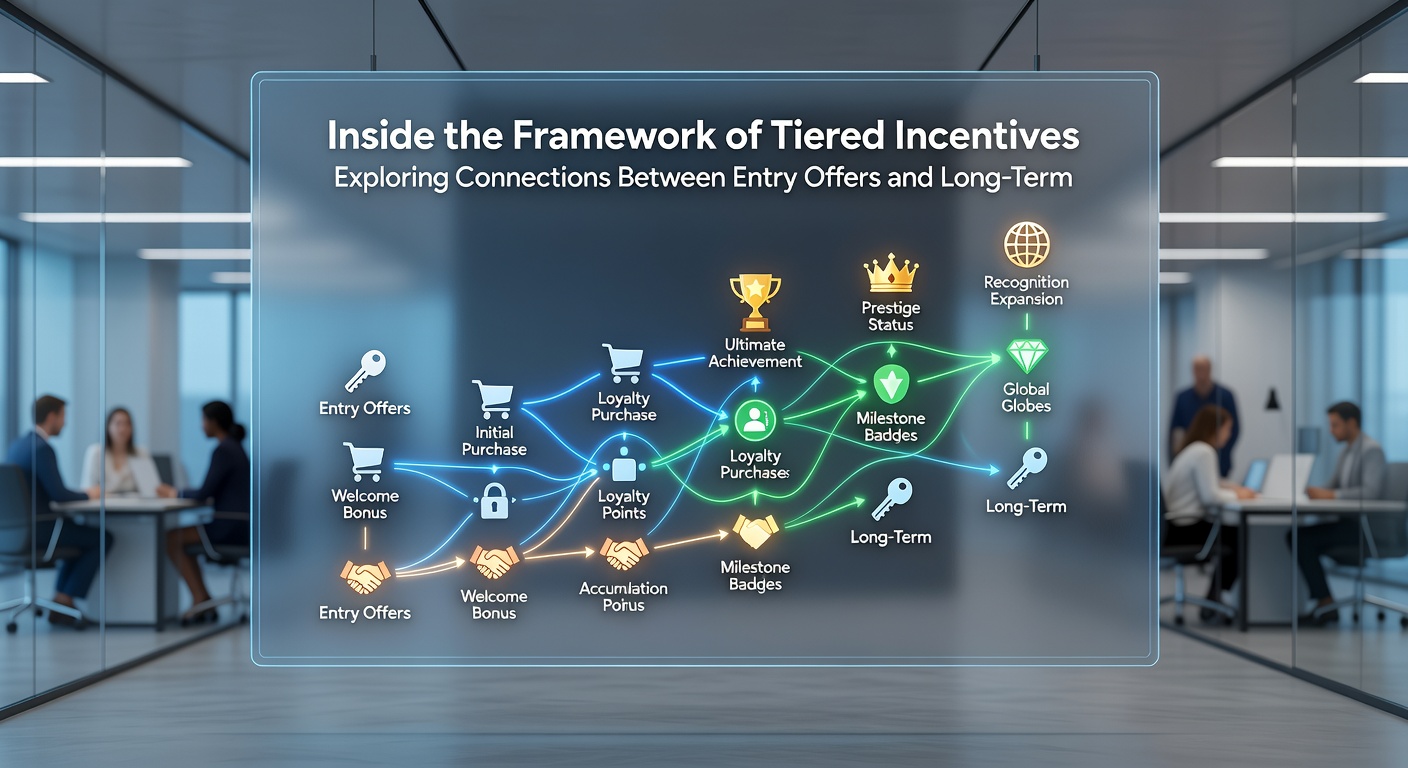
Platforms in emerging markets, including new sweepstakes casino platforms entering US market with fresh launches in May 2026, have adopted similar integration models that automatically migrate users from sign-up promotions into loyalty tracking. These systems record every spin or hand played during the entry phase and apply those metrics toward tier thresholds, creating a seamless data trail that operators use for targeted follow-up communications.
Regional Regulatory Influences on Tier Design
Regulators in Nevada and other US states require clear disclosure of how entry offers interact with loyalty points, ensuring that players receive accurate information about progression criteria before participation begins. The Nevada Gaming Control Board has documented cases where operators revised tier rules following audits that identified discrepancies between advertised benefits and actual point calculations. European operators follow directives from the European Gaming and Betting Association that emphasize transparency in how deposit matches transition into long-term reward eligibility, with mandatory reporting on player movement between tiers.
Data Patterns in Player Movement
Industry studies compiled by the Canadian Gaming Association track retention metrics showing that players who complete entry offer requirements demonstrate higher rates of tier advancement within the first six months compared to those who bypass initial promotions. These patterns hold across desktop and mobile platforms, where point accumulation occurs uniformly regardless of device used. Operators adjust tier thresholds periodically based on aggregate data, raising or lowering point requirements to balance reward distribution with operational costs.
Technical Implementation of Connected Systems
Backend platforms employ unified databases that merge transaction logs from entry bonuses with loyalty point engines, enabling real-time updates to player status after each qualifying action. This technical setup supports features such as bonus buy options that accelerate tier movement or limited-time challenges that award double points during promotional windows. Developers integrate these functions with payment processors so that deposit matches automatically trigger point awards without manual intervention.
Conclusion
Tiered incentive frameworks maintain operational continuity by routing players from entry offers into sustained loyalty tracking through automated point systems and transparent progression rules. Regulatory oversight across US, Canadian, and European markets enforces disclosure standards that clarify these connections for participants. As new platforms continue to launch and existing operators refine their systems, the linkage between initial incentives and long-term programs remains a central component of player engagement structures documented in industry data.