Spotlighting Interconnected Incentive Webs: How Bonus Validation Protocols Shape Retention Cycles Across Mobile Gaming Platforms
Harper Walter · Aug 25, 2026

Spotlighting Interconnected Incentive Webs: How Bonus Validation Protocols Shape Retention Cycles Across Mobile Gaming Platforms
Mobile gaming platforms operate through layered systems of rewards that connect daily logins, achievement milestones, and progression gates, while bonus validation protocols serve as the checkpoints that confirm eligibility before any reward reaches a player account. These protocols scan for compliance with time-based rules, device consistency, and behavioral thresholds, and they feed data back into broader incentive webs that adjust future offers automatically. Researchers tracking platform metrics have noted that such validation steps reduce fraudulent claims while also creating predictable engagement loops that keep players returning at regular intervals.
Core Components of Bonus Validation in Mobile Ecosystems
Validation begins at the moment a player attempts to claim a reward, and the system checks multiple signals including account age, prior activity streaks, and cross-device consistency before releasing the bonus. Platforms integrate these checks into a single workflow that connects login data with in-game behavior logs, and this integration allows the incentive web to adapt offers based on whether previous validations succeeded or failed. Data from industry reports show that platforms using multi-factor validation maintain higher daily active user counts because players learn to align their habits with the rules to secure rewards consistently.
One study revealed that games employing sequential validation steps experience fewer reward disputes, and the reduced friction leads to smoother progression through retention phases. Experts tracking these systems observe that validation protocols often include cooldown timers and geographic restrictions, which together prevent rapid cycling through the same incentive and encourage sustained participation over weeks or months.
How Incentive Webs Link Entry Rewards to Long-Term Retention
Entry-level bonuses such as welcome packs or first-week streaks connect directly to mid-tier rewards through validation gates that track cumulative playtime and spending patterns. When a player clears a validation checkpoint, the system unlocks the next layer of the web, and this sequential unlocking creates a retention cycle that stretches across multiple weeks. Platforms adjust the difficulty of later validations based on early success rates, and this dynamic adjustment helps maintain engagement among different player segments without manual intervention.
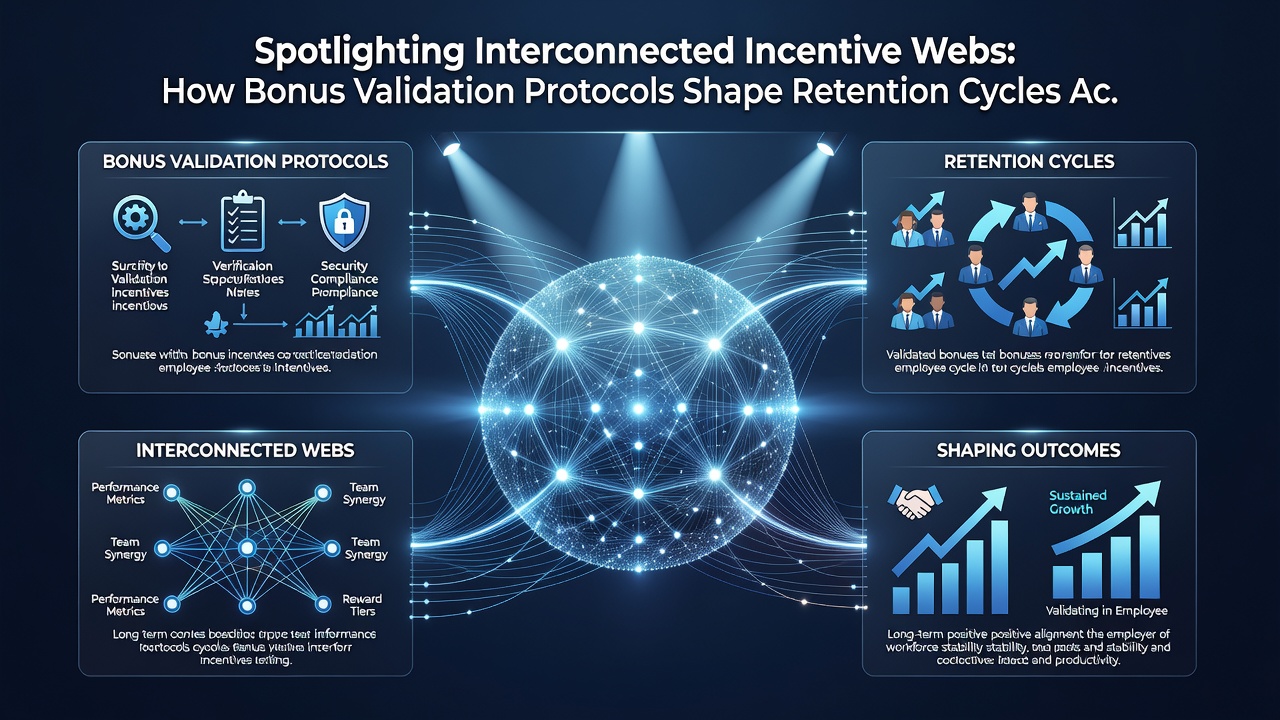
Figures released in August 2026 by the Entertainment Software Association indicated that mobile titles with tightly linked validation webs retained 18 percent more players at the 30-day mark compared with titles using isolated reward systems. The report highlighted how interconnected protocols allow platforms to shift incentive emphasis from acquisition to retention as players advance, and this shift aligns with observed increases in session frequency during the same period.
Retention Cycle Patterns Across Different Game Genres
Role-playing mobile games often embed validation into narrative milestones, whereas puzzle and strategy titles tie rewards to daily challenge completions, yet both approaches rely on the same core protocol structure to confirm eligibility. Observers note that validation timing influences whether players return within 24 hours or extend gaps to several days, and platforms refine these timings through A/B testing of protocol parameters. Data collected across multiple genres shows that games which validate bonuses within the first hour of login achieve stronger short-cycle retention, while those spreading validation across longer windows support extended play sessions.
There's this case where developers adjusted validation thresholds for a popular match-three title, and the change produced measurable lifts in weekly retention without altering the reward values themselves. The adjustment worked because the protocol began recognizing partial progress toward milestones, which kept players inside the incentive web even when full completion remained out of reach.
Technical Infrastructure Supporting Validation Protocols
Backend systems store validation rules in modular databases that allow rapid updates when regulatory or platform policy changes occur, and these databases connect with real-time analytics engines that flag anomalies in reward claims. Mobile gaming companies deploy machine learning models to predict which validation rules will produce optimal retention outcomes for specific player cohorts, and the models update continuously as new claim data arrives. This infrastructure keeps the incentive web responsive while maintaining consistent enforcement across global user bases.
According to research published by the Interactive Digital Entertainment Association of Canada, platforms that invested in scalable validation infrastructure during 2025 and 2026 reported lower rates of player churn during seasonal content updates. The findings underscore how robust protocol design supports stable retention cycles even when game content shifts dramatically.
Conclusion
Bonus validation protocols function as the operational backbone of interconnected incentive webs in mobile gaming, and their design choices directly determine the shape and duration of retention cycles across platforms. As validation systems grow more sophisticated through data integration and adaptive rules, platforms continue refining the connections between early rewards and sustained engagement. Evidence from multiple industry sources confirms that these protocols will remain central to how mobile games structure player journeys in the months ahead.