28 May 2026
Tracing Retention Cycles Through Sequential Reward Validation in Mobile-First Gaming Ecosystems
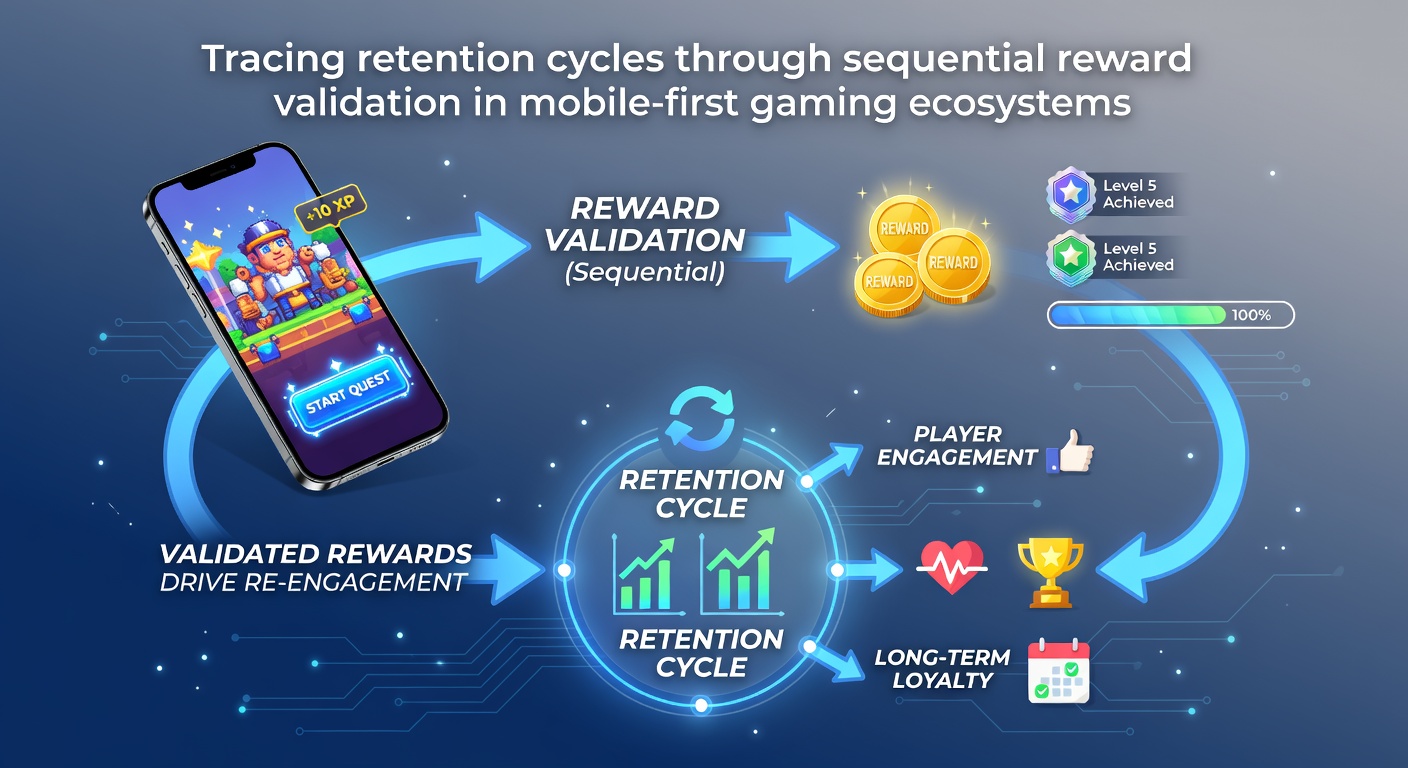
Retention cycles in mobile-first gaming ecosystems operate through structured sequences of reward validation that guide player progression across multiple sessions, and these mechanisms rely on timed triggers, achievement checkpoints, and incremental unlocks to maintain engagement patterns. Developers implement these systems by layering daily login bonuses with milestone validations, which creates measurable loops where each completed step feeds directly into the next phase of player activity. Data from industry monitoring shows that such sequential approaches correlate with extended session lengths when validation occurs at consistent intervals.
Mechanics of Sequential Reward Validation
Sequential reward validation begins with an initial trigger, such as app launch or level completion, followed by automated checks that confirm eligibility before dispensing items or currency. This process incorporates server-side authentication to prevent duplication, and it extends through chained events where one reward unlocks prerequisites for the subsequent stage. Observers note that validation sequences often span 24-hour windows in daily cycles, while longer arcs cover weekly or monthly resets that reset progress meters and introduce fresh validation points. Research indicates mobile platforms handle these through push notifications that prompt return visits precisely when cycles near completion.
Game engines track retention by logging each validation event against unique player identifiers, which allows systems to map drop-off points where sequences break. Those who've analyzed telemetry data find that successful validations at early stages increase the likelihood of continued participation in later ones, and this chaining effect builds cumulative retention metrics over time. In practice, developers adjust validation thresholds based on aggregated patterns rather than individual cases, ensuring broad applicability across user bases.
Mapping Retention Cycles in Practice
Retention cycles emerge when validated rewards align with natural player return rhythms, creating predictable loops that extend beyond single sessions. For instance, a sequence might start with a login reward, proceed through social sharing validations, and conclude with community event participation that feeds back into the initial trigger. Figures reveal that ecosystems emphasizing mobile-first design prioritize lightweight validation steps to accommodate shorter play windows typical of smartphone usage. This approach differs from console models by emphasizing frequency over duration per session.
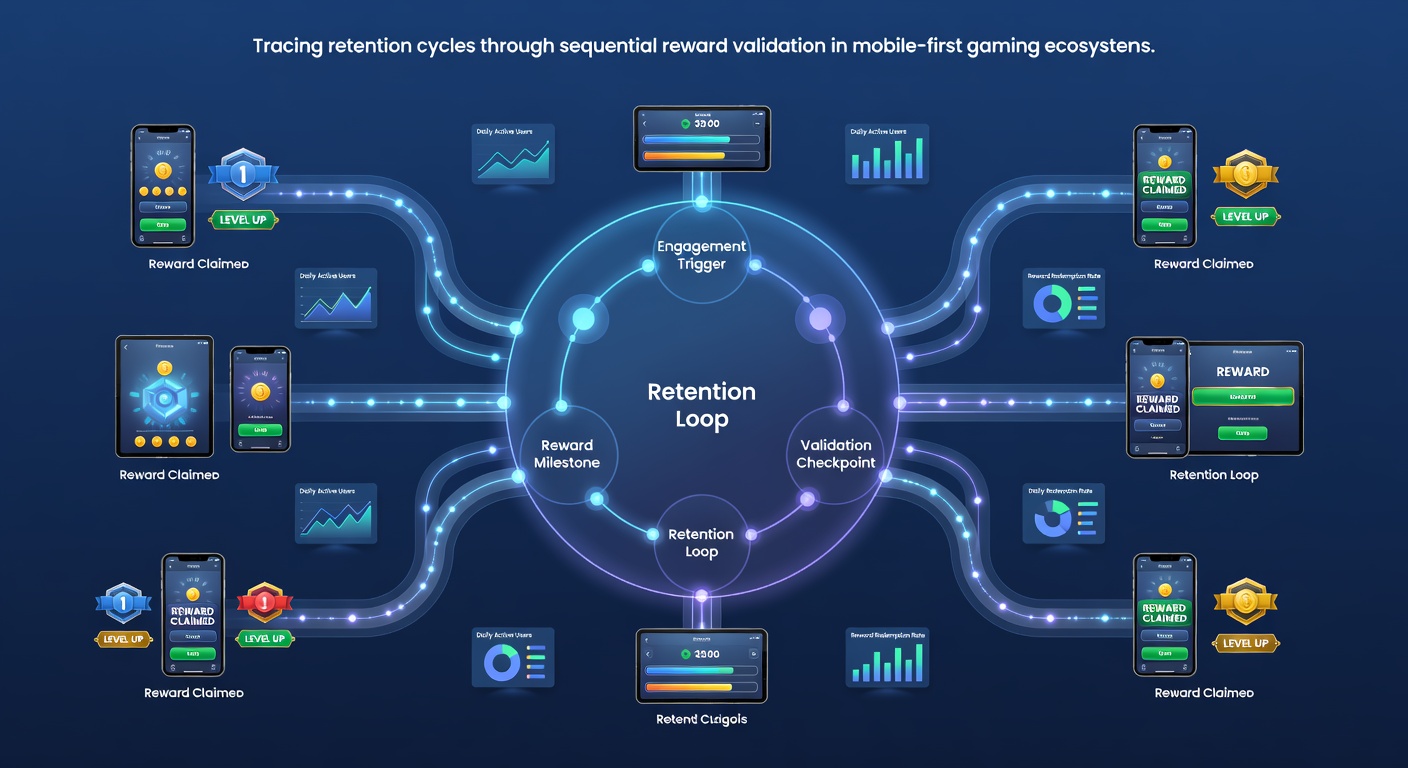
Sequential structures also incorporate branching paths where player choices during validation influence cycle length, such as opting for resource multipliers that accelerate or delay subsequent rewards. Analysts at organizations like the Entertainment Software Association have documented how these branches affect overall retention rates across genres. What's interesting is the way validation failures, such as missed daily windows, reset partial progress and force re-engagement through alternative sequences to recover lost momentum.
Industry Data and Patterns in 2026
Reports from sources including Newzoo highlight growth in mobile gaming ecosystems through 2026, with particular emphasis on retention tools deployed in markets across North America and Asia. In May 2026, several platforms introduced enhanced validation layers that integrate real-time analytics to refine cycle timing based on regional usage spikes. These updates build on established frameworks where sequential rewards undergo multi-stage confirmation before distribution, reducing instances of reward stacking that previously disrupted cycle balance.
Academic studies from institutions such as the University of Alberta's gaming research groups have examined how validation sequences interact with demographic variables, revealing variations in cycle adherence between casual and dedicated player segments. Data shows higher validation completion rates when sequences incorporate flexible deadlines, while rigid structures correlate with earlier exits from the cycle. Regulatory bodies in regions like Australia continue to monitor these systems for compliance with consumer protection standards that address transparency in reward mechanics.
Conclusion
Sequential reward validation serves as the backbone for tracing retention cycles in mobile-first gaming ecosystems, and its layered approach generates the data points necessary for developers to refine engagement strategies. Patterns observed through 2026 demonstrate consistent application across platforms, where each validated step contributes to measurable extensions in player lifespan. Continued evolution of these systems depends on integration of new analytics tools that maintain the integrity of cycle mapping without introducing complexity that interrupts natural flow.