Unlocking Progressive Perks: How Wagering Requirements Shape Bonus Code Strategies in Virtual Gaming
Anna Wolf · Aug 23, 2026
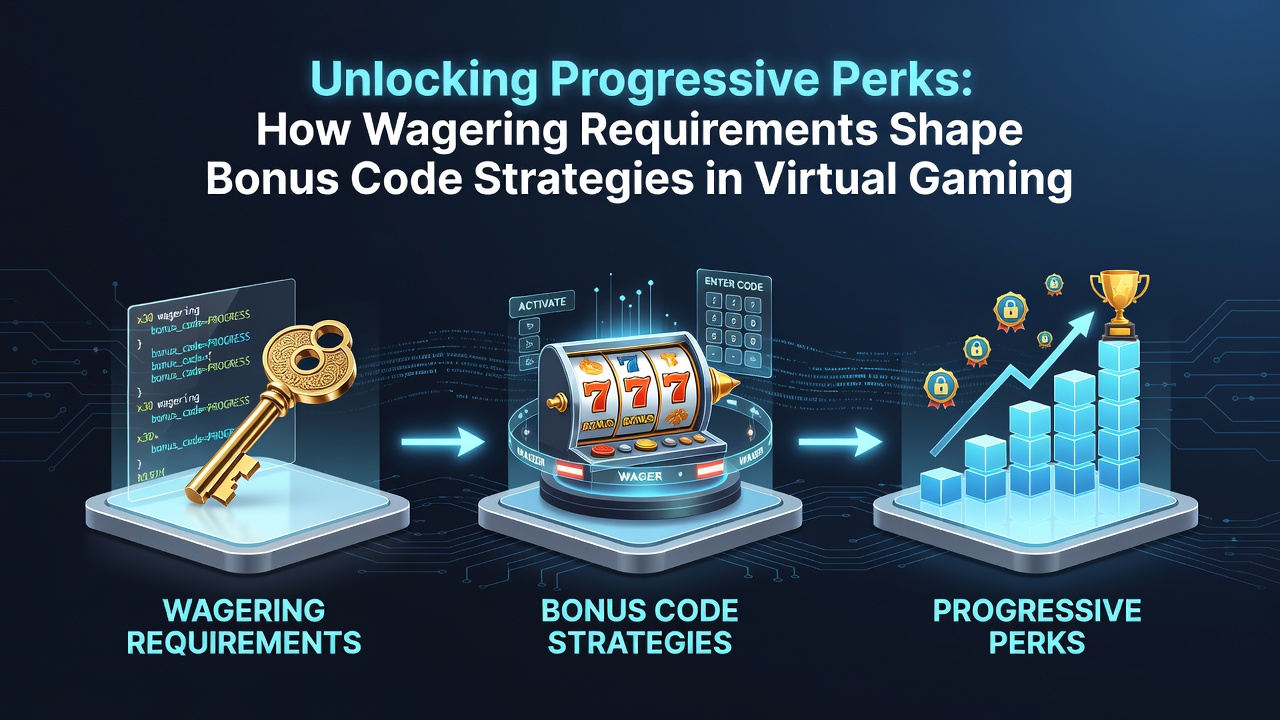
Unlocking Progressive Perks: How Wagering Requirements Shape Bonus Code Strategies in Virtual Gaming
Virtual gaming platforms continue to refine bonus structures around August 2026, with wagering requirements playing a central role in how players approach promo codes across digital environments. These requirements specify the total amount a user must wager before converting bonus funds into withdrawable cash, and operators adjust them frequently to balance player engagement with risk management. Data from regulatory filings show that platforms in multiple jurisdictions track these thresholds closely, since they directly influence retention rates and revenue cycles.
Core Mechanics of Wagering Requirements
Operators define wagering requirements through multipliers applied to the bonus amount, deposit, or both, and these figures typically range from 20x to 50x depending on the promotion type. Research from industry reports indicates that lower multipliers attract new accounts while higher ones appear in high-value offers that include additional perks such as cashback tiers or loyalty points. Players who examine the fine print discover that different game categories contribute varying percentages toward completion, with slots often counting at 100 percent whereas table games may contribute only 10 or 20 percent.
Platforms segment their bonus codes to align with these contribution rules, creating separate tracks for casual participants and those pursuing larger progressive rewards. Observers note that clear disclosure of these details reduces player confusion and supports longer engagement periods, especially when operators provide real-time progress trackers within user dashboards.
Strategic Deployment of Bonus Codes
Users who combine multiple bonus codes across sessions must navigate overlapping wagering obligations carefully, since simultaneous active offers can reset or extend completion timelines. According to analyses published by the European Gaming and Betting Association, successful strategies involve sequencing codes so that lower-multiplier promotions clear first before higher-value ones activate. This sequencing allows players to maintain steady progress without triggering automatic forfeiture clauses that many platforms enforce when terms overlap improperly.
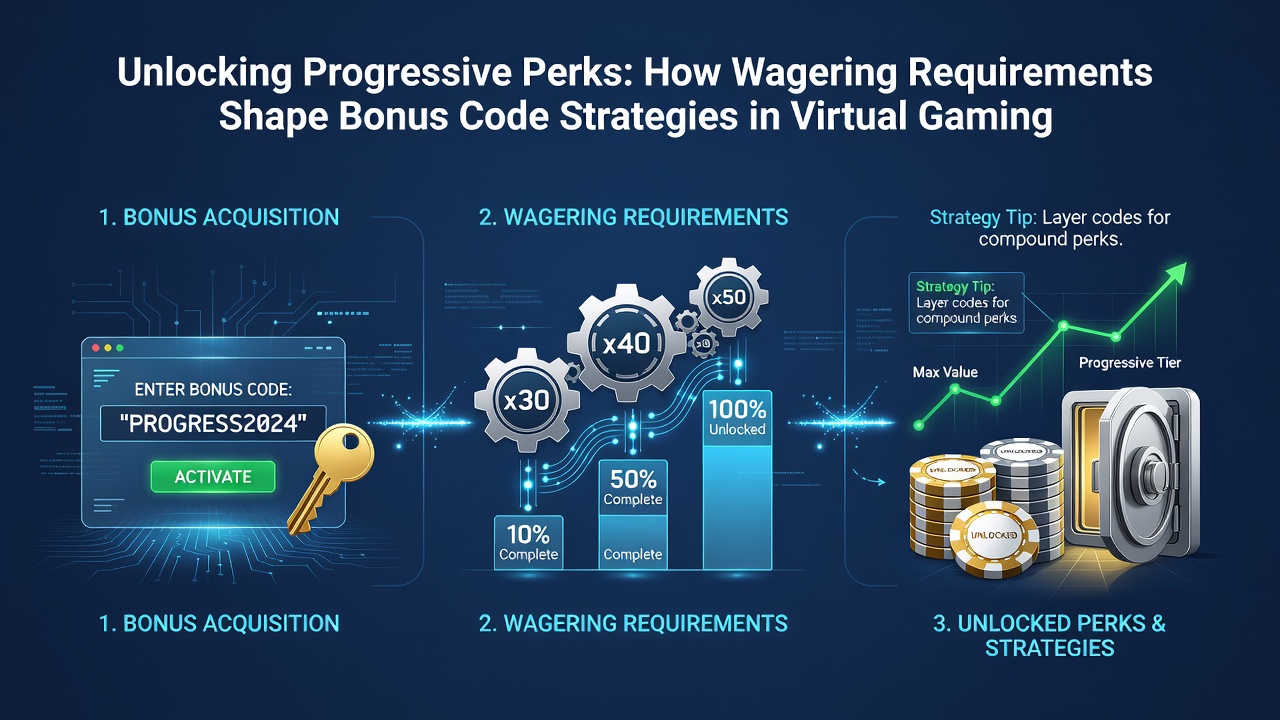
Virtual platforms have introduced tiered code systems where early-stage bonuses carry modest requirements that unlock subsequent offers with enhanced terms. Those who monitor release schedules find that limited-time codes often feature adjusted multipliers during promotional windows, creating opportunities for efficient clearing when paired with games that maximize contribution rates. Evidence from player behavior studies shows that participants who plan code activation around these windows achieve higher completion rates than those who apply codes randomly.
Regional Regulatory Influences
Regulatory bodies in different regions impose varying standards on how wagering requirements must appear in promotional materials. The Nevada Gaming Control Board requires operators to display terms prominently before code redemption, while Canadian provincial frameworks emphasize clear examples of contribution percentages for each game type. These rules shape how platforms present bonus strategies to users and encourage the development of standardized calculators that help participants project completion timelines based on their preferred games and bet sizes.
Platforms operating across borders adjust code structures to satisfy the strictest applicable standards, resulting in more transparent disclosures overall. Data collected through compliance audits reveal that consistent presentation of wagering details correlates with fewer disputes and higher trust metrics reported by players in post-session surveys.
Progressive Perk Unlocking Pathways
Many systems link successful wagering completion to advancement through loyalty levels that grant access to exclusive codes and reduced future requirements. Figures from platform analytics indicate that players who consistently meet thresholds within defined periods receive invitations to higher tiers featuring accelerated contribution rates or bonus multipliers that ease subsequent obligations. This progression model encourages sustained activity because each cleared requirement directly feeds into expanded reward access.
Operators track aggregate wagering volumes to calibrate these pathways, ensuring that the economics of bonus distribution remain sustainable while still delivering tangible value at each stage. Those who study these patterns observe that platforms frequently update contribution tables and code eligibility rules in response to seasonal traffic shifts, particularly around major sporting events or new game launches.
Conclusion
Wagering requirements remain a foundational element that determines how effectively bonus codes translate into long-term player advantages within virtual gaming ecosystems. Platforms continue to refine these parameters alongside regulatory expectations and user behavior data, producing more structured pathways from initial offers to sustained loyalty benefits. As systems evolve through 2026, the interplay between code deployment and requirement thresholds will continue to define strategic options available to participants across digital platforms.