Unraveling the Progression from Initial Spins to Advanced Tier Rewards in Mobile Casino Apps
Morgan Zimmermann · Aug 20, 2026
Unraveling the Progression from Initial Spins to Advanced Tier Rewards in Mobile Casino Apps
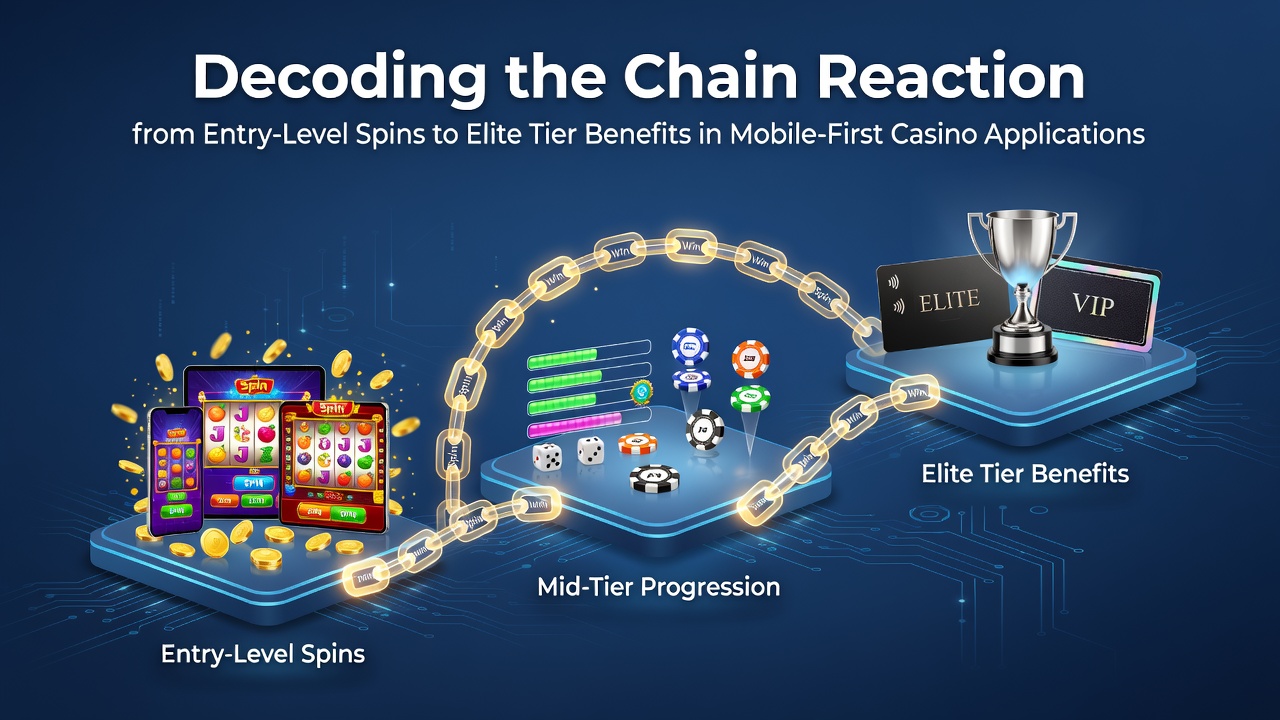
Entry-level spins in mobile-first casino applications serve as the starting mechanism that introduces players to structured reward systems, and these initial offers connect directly to broader loyalty frameworks through tracked activity and validated wagers. Data from industry tracking shows that users who engage with these spins generate activity logs which feed into point systems, and the process continues as accumulated metrics qualify accounts for incremental status upgrades over sequential sessions.
Mechanics of Entry-Level Spins in App Ecosystems
Mobile applications deploy entry-level spins as timed or deposit-triggered features that register within centralized player accounts, and these spins record outcomes while simultaneously crediting base loyalty units according to predefined conversion rates set by each platform operator. Researchers tracking user patterns note that the spins function as both engagement tools and data collection points, while the resulting metrics feed automated algorithms that monitor play frequency and wager volume across devices. In August 2026 several platforms updated their mobile interfaces to display real-time progress bars toward the next tier, and these visual cues link directly to backend systems that validate completion thresholds before advancing accounts.
Transition Pathways from Spins to Sustained Accumulation
Once entry spins complete their cycle, the validated results transfer into cumulative loyalty ledgers where each unit contributes to tier qualification criteria, and operators structure these criteria around multiple variables including total wagers, session duration, and frequency of returns within defined windows. Observers have documented that players who consistently convert spins into ongoing wagers trigger automated notifications about upcoming milestones, while the same systems adjust future offers based on historical engagement data. This creates a chain where early activity influences later eligibility without requiring separate manual enrollments in most applications.
Mid-Tier Qualification and Feature Unlocks
Accounts reaching mid-tier status gain access to enhanced spin multipliers and personalized reload structures, and these benefits activate once point thresholds are met through the same tracking that originated with entry spins. Studies of mobile gaming ecosystems indicate that mid-tier users experience higher retention rates compared with base accounts, while operators allocate dedicated resources to maintain engagement through app-exclusive events. The progression remains linear in most systems yet incorporates branching paths where additional challenges can accelerate advancement, and data logs from these challenges integrate seamlessly with core loyalty calculations.
Elite Tier Structures and Long-Term Benefit Delivery
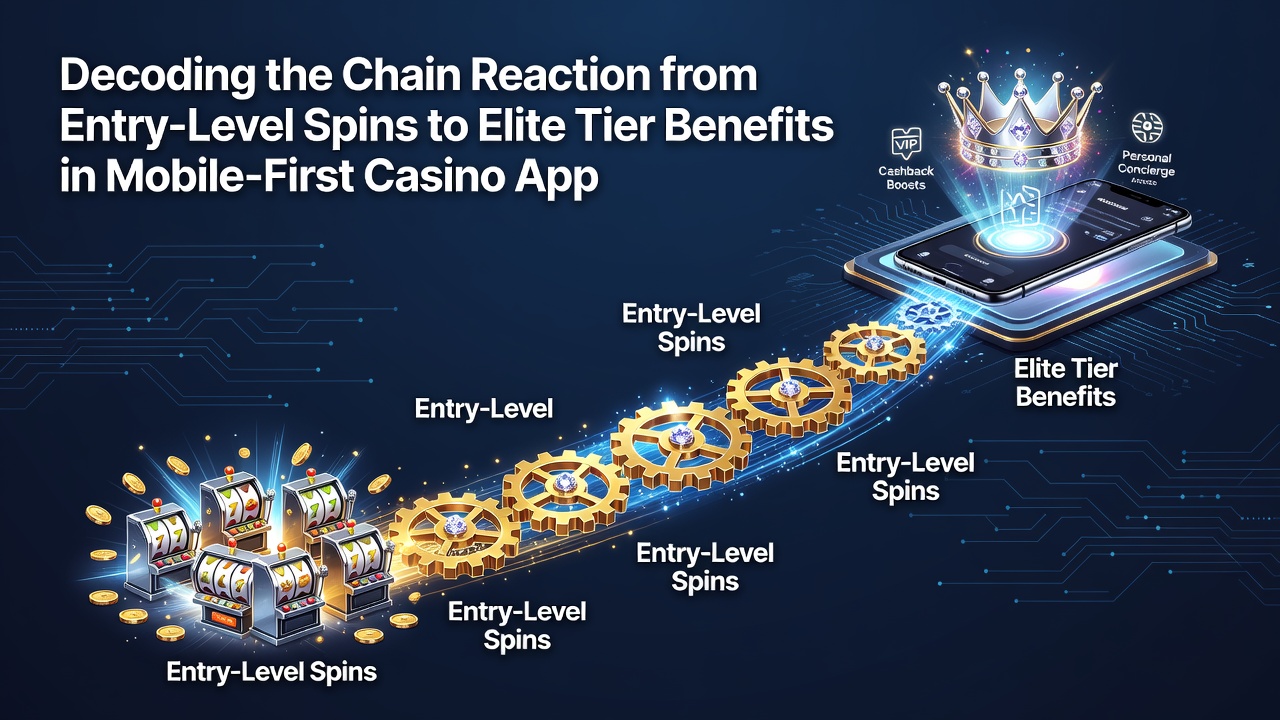
Elite tiers consolidate the accumulated data from all prior stages into comprehensive benefit packages that include dedicated account managers, expedited withdrawal processing, and access to private tournaments, and these packages activate only after sustained validation across multiple months of tracked activity. According to figures released by the American Gaming Association, mobile platforms report that elite-tier participants account for disproportionate shares of total wagering volume, while the same reports note that progression rates vary by region and regulatory environment. Operators maintain these tiers through continuous monitoring that prevents retroactive adjustments once status is confirmed, and the resulting stability encourages long-term platform loyalty among qualifying accounts.
Cross-device synchronization ensures that progress achieved on smartphones carries forward to tablets or secondary mobiles without interruption, and this technical continuity supports the chain reaction by eliminating friction points that previously disrupted accumulation. Regulatory filings from the New Jersey Division of Gaming Enforcement detail how mobile operators must document these synchronization processes to maintain compliance, and the requirements extend to transparent disclosure of how entry spins contribute to overall tier calculations. In practice the systems operate through encrypted ledgers that update in real time, allowing users to view projected advancement timelines based on current patterns.
Conclusion
The documented pathways from entry-level spins to elite benefits rely on integrated tracking systems that convert initial engagement into sustained qualification metrics across mobile casino applications. Platforms continue refining these structures through software updates that enhance visibility and reduce manual steps, while external oversight from bodies such as the Canadian Gaming Association ensures consistent standards for point validation and benefit delivery. The resulting ecosystem maintains a clear progression route grounded in verifiable activity rather than isolated promotions.